elimination according to mark
linocut, monotype, obsessive photoseries, 2026
linocut, monotype, obsessive photoseries, 2026
Sometimes we make ourselves believe we are waiting for a miracle, whereas in reality we are thoroughly eliminating it . 'Elimination" - removal, exclusion, as well as a medical intervention aimed at terminating fetal life in utero due to severe pathologies.
The project unites three spatio-temporally detached narratives, addressing the everyday {the paws of my son}, mythic recontextualization {the dictean cave}, and autobiographical elements {26 weeks}
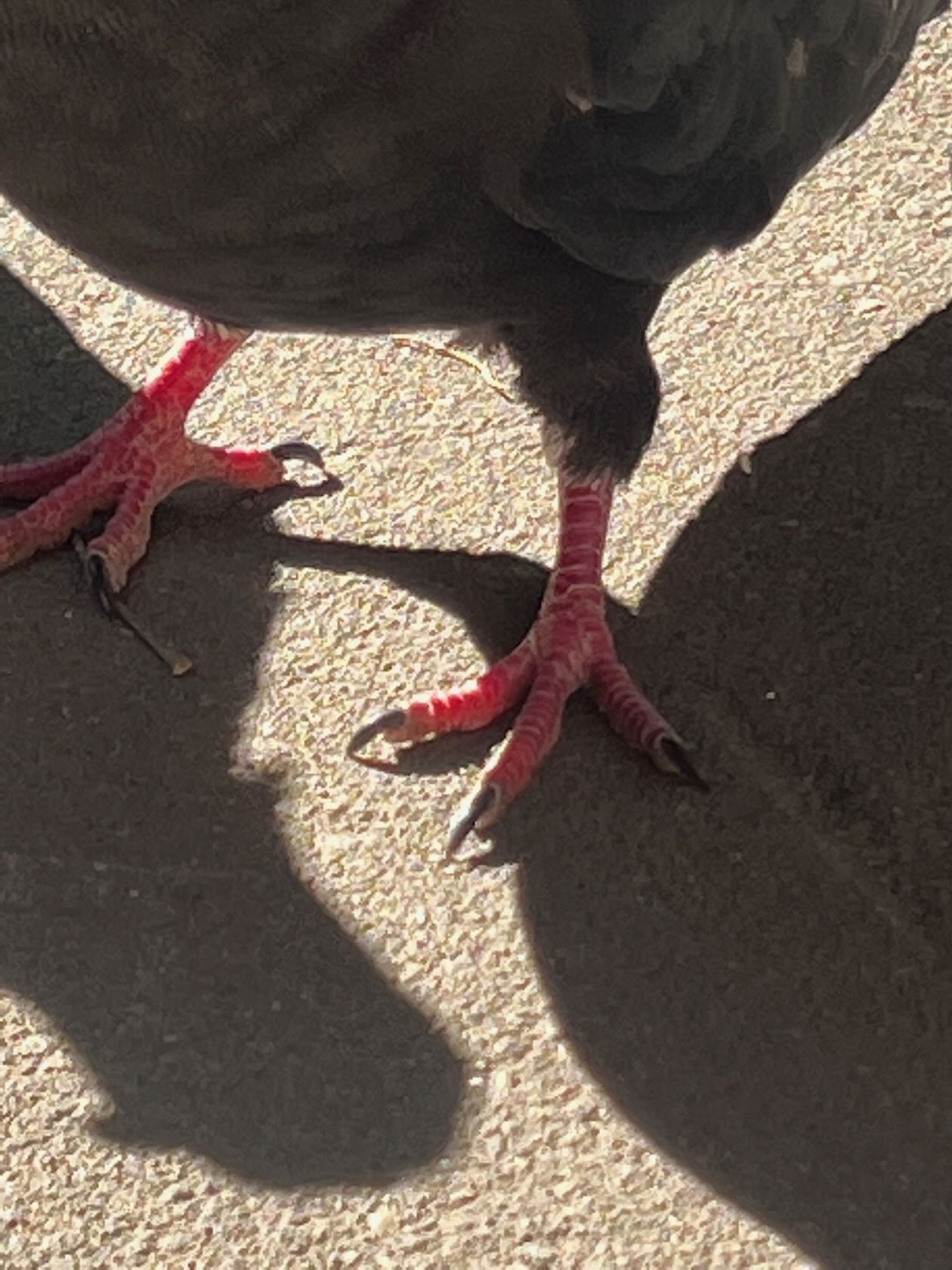
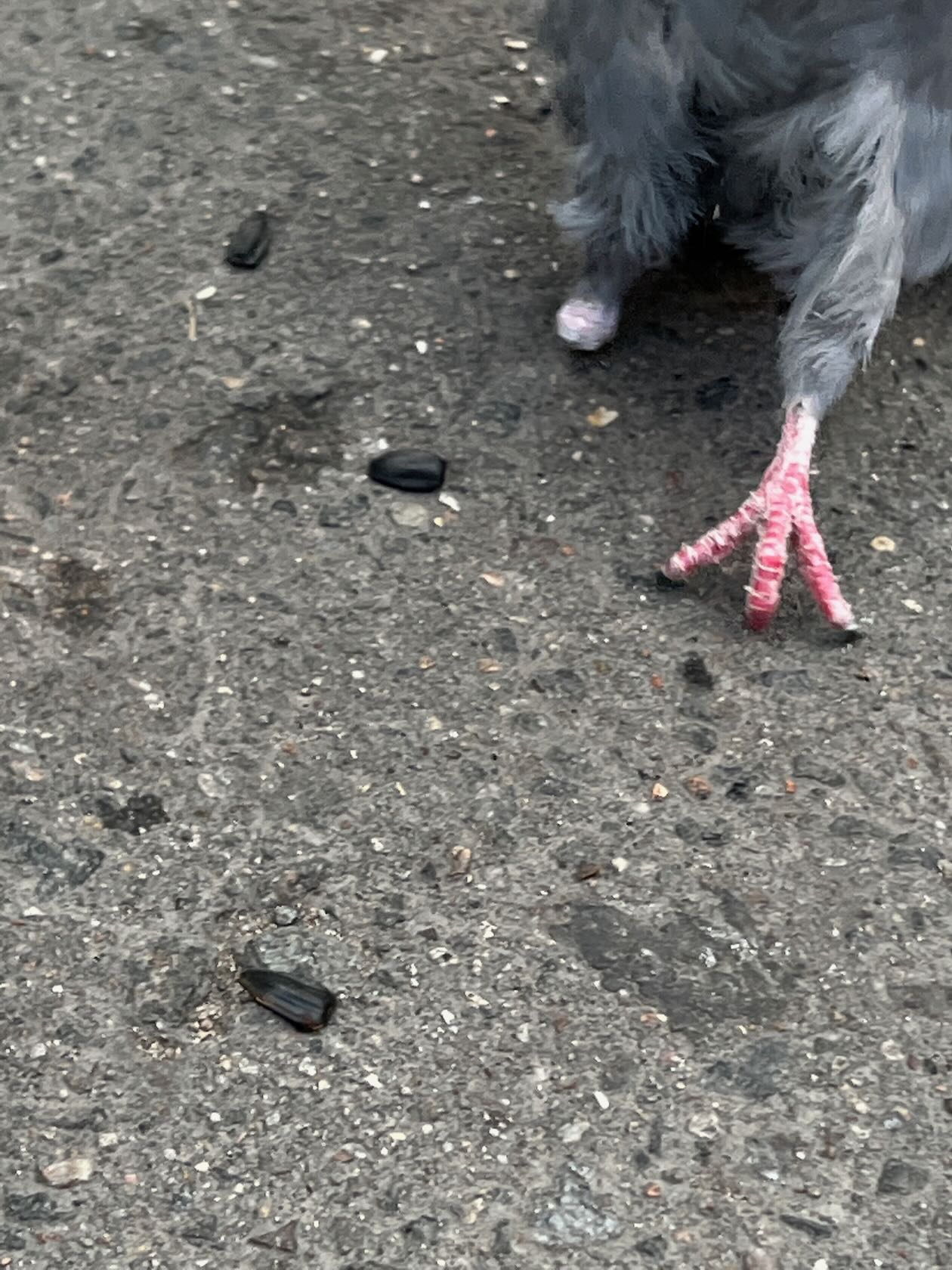
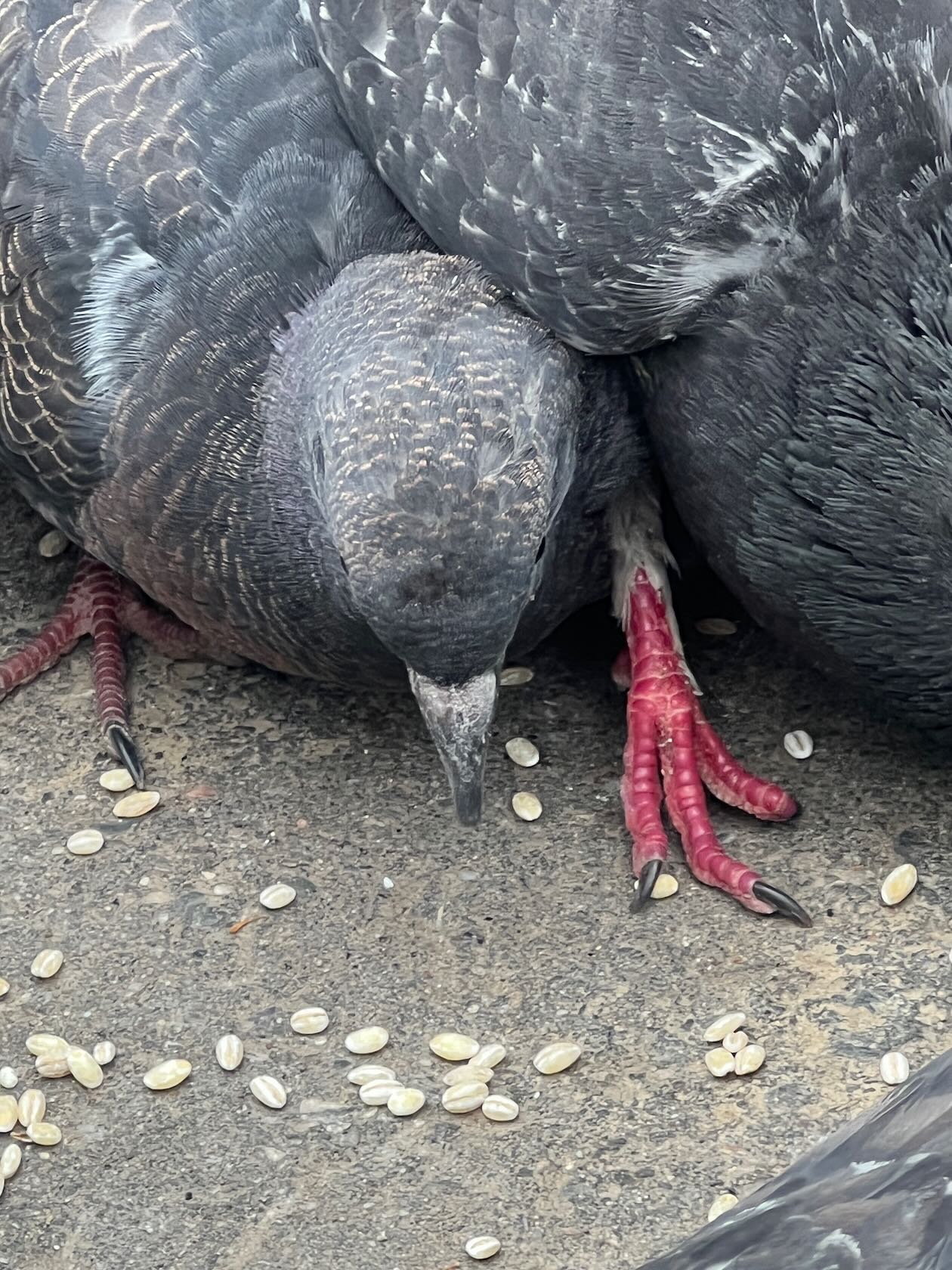
{ 01 / the paws of my son }
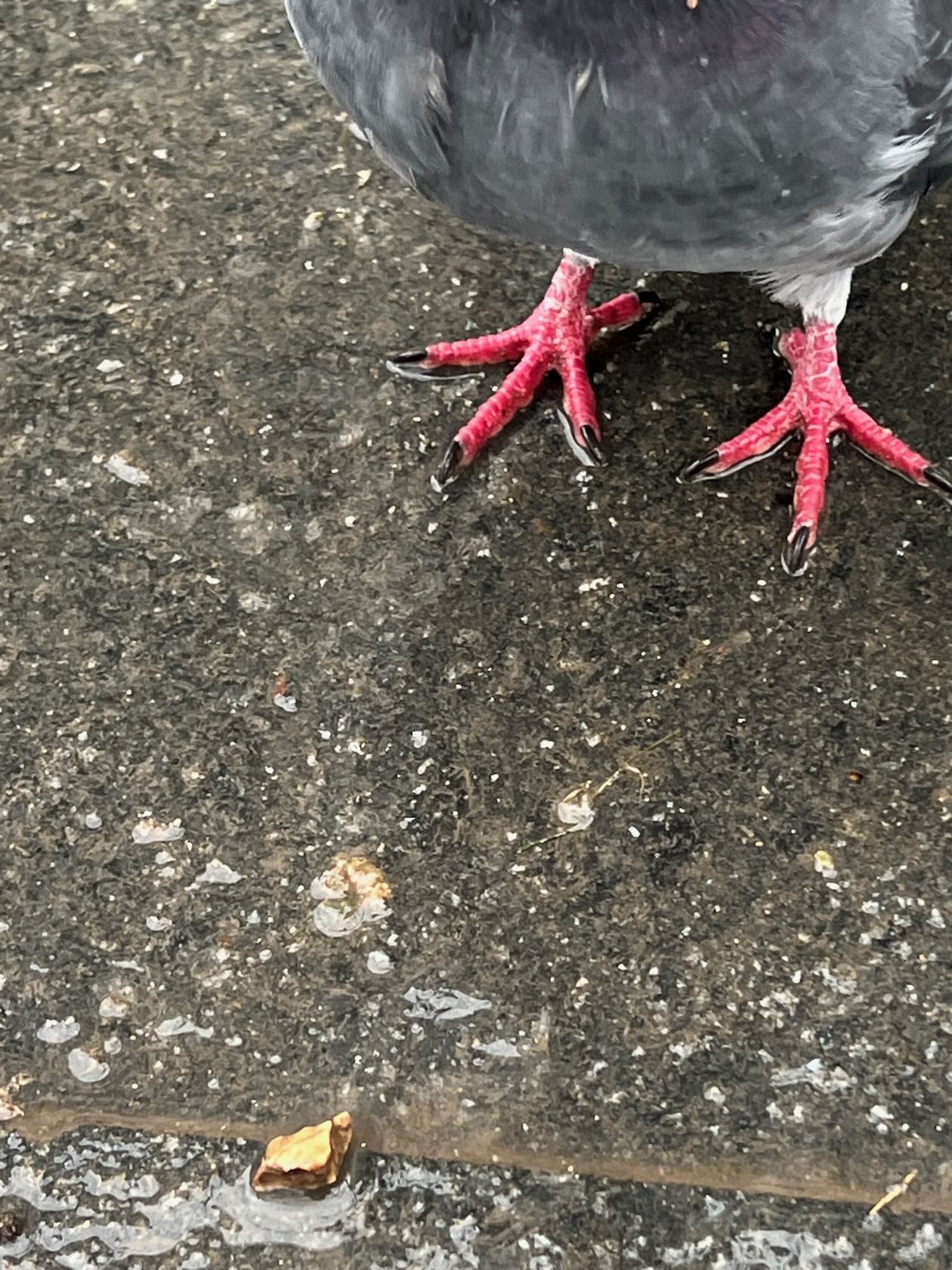
an ongoing photographic series documenting the paws of urban pigeons: red, gray, robust, diseased, with or without toes, with or without limbs (1,457 photographs as of june 2026). despite being subjected to increasingly hostile conditions, they strive toward a miracle, thereby constituting a visual field for awaiting a miracle.
such ritualistic, durational photographic series are vital to my practice. i define them as OS - obsessive series / operating system - and propose their presentation in a wallpaper format.
an ongoing photographic series documenting the paws of urban pigeons: red, gray, robust, diseased, with or without toes, with or without limbs (1,457 photographs as of june 2026). despite being subjected to increasingly hostile conditions, they strive toward a miracle, thereby constituting a visual field for awaiting a miracle.
such ritualistic, durational photographic series are vital to my practice. i define them as OS - obsessive series / operating system - and propose their presentation in a wallpaper format.
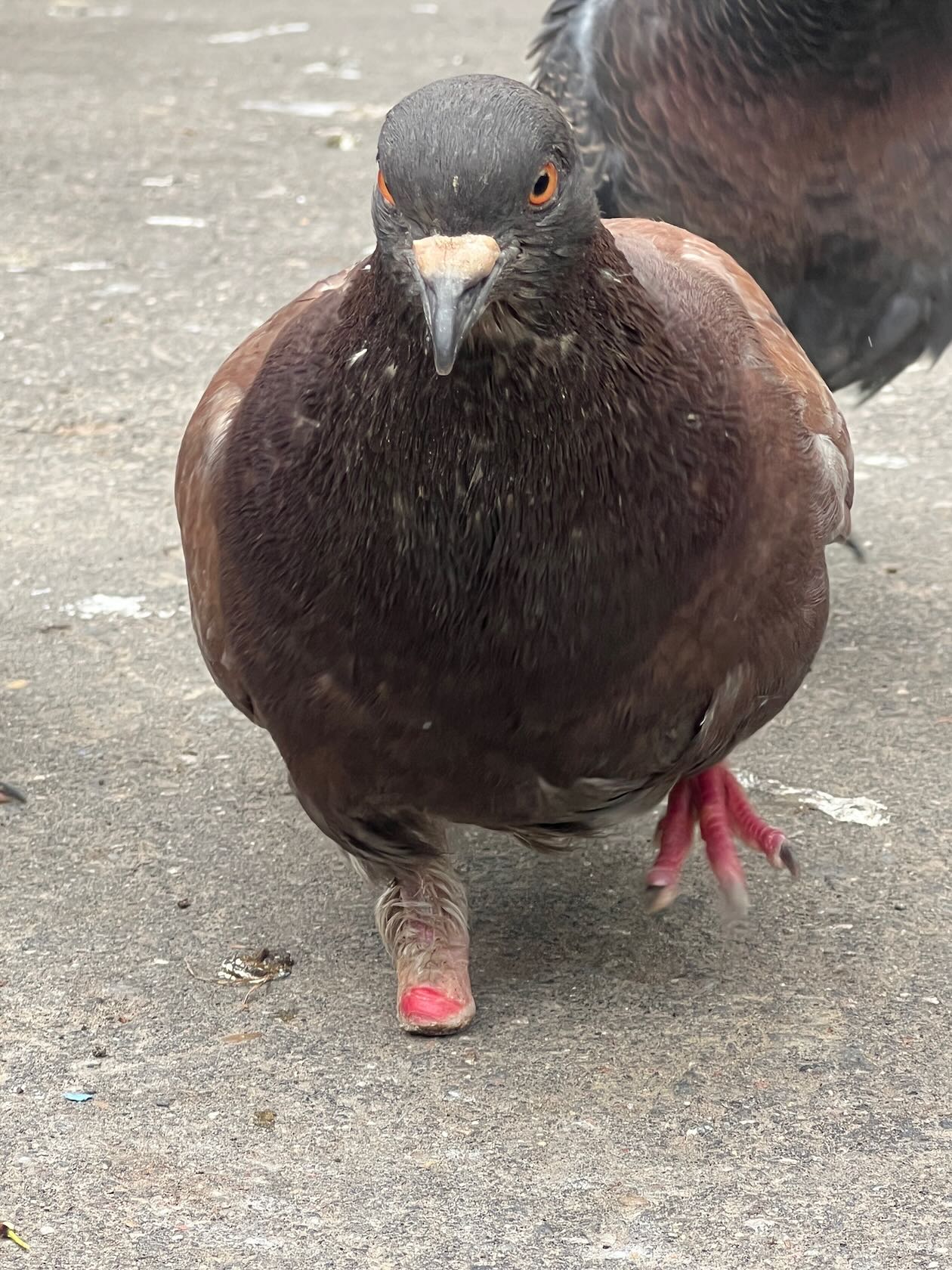
The paws of my son, obsessive photoseries, 2026
{ 02 / the dictean cave }
the dictean cave is a physical site where, according to legend, Rhea gave birth to Zeus, concealing him from being devoured by cronus. i frequently return to this narrative. the god of time devouring his offspring serves as an allegory for the systemic or individual exclusion of a miracle, driven by the fear of encountering alterity.
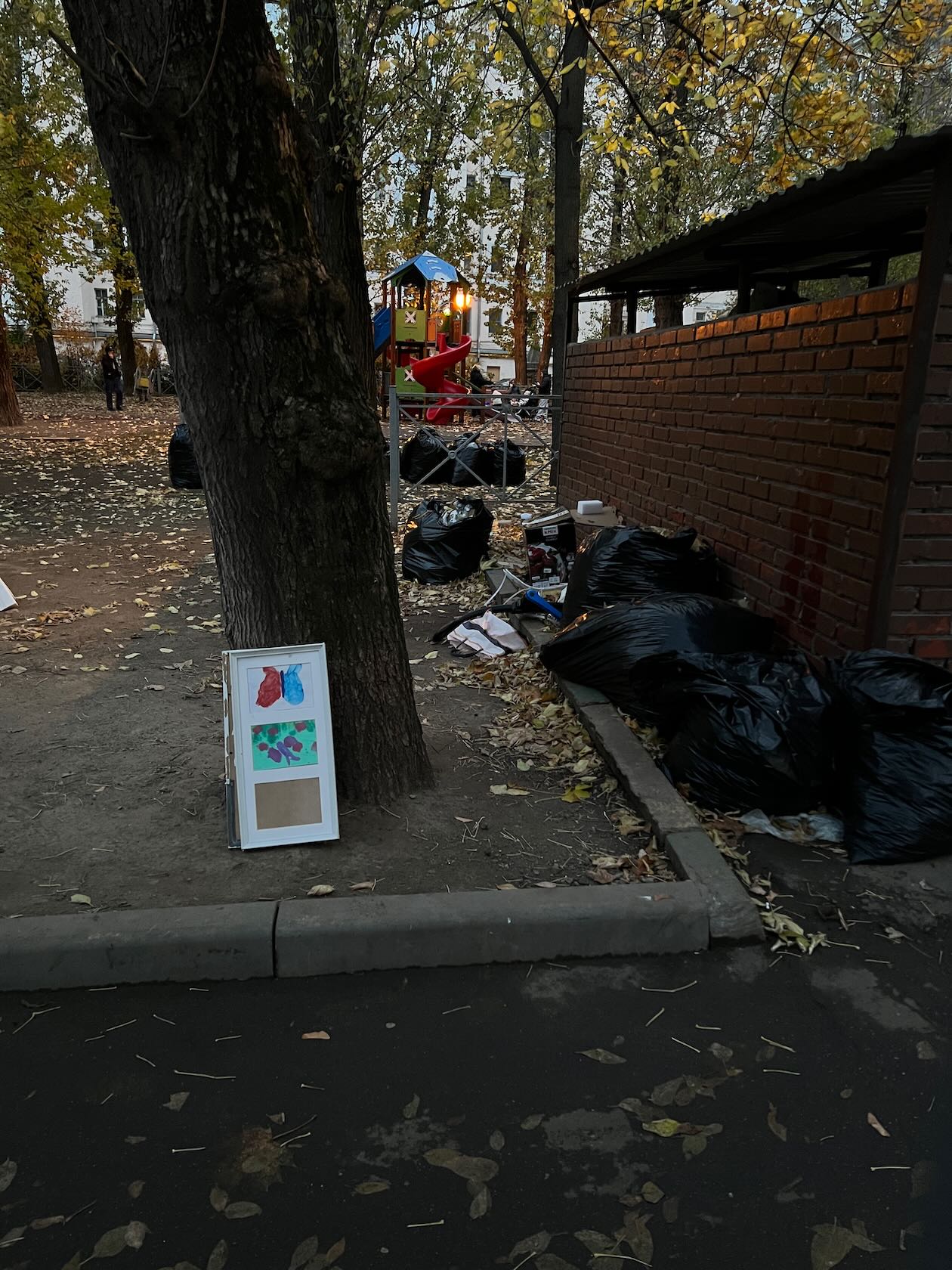
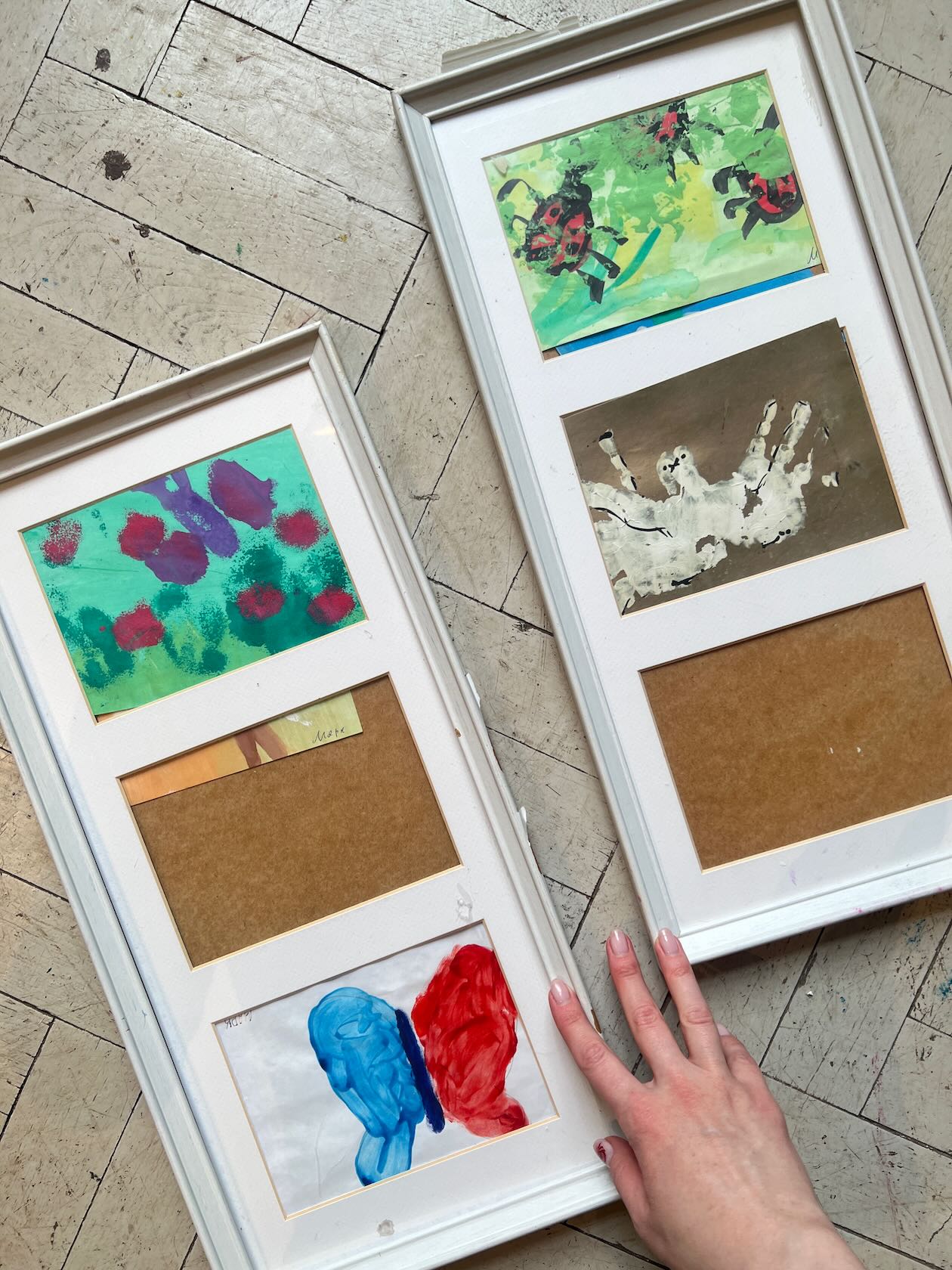
the point of departure for this second narrative consists of framed children’s drawings salvaged from a dumpster, signed: “to beloved mom from mark.” i identify the entities within these drawings as fragments of a miracle and construct a safe space around them. this is an inquiry into the topology of a miracle — a search for liminal zones into which it retreats post-displacement or from which it re-emerges into reality.
the dictean cave is a physical site where, according to legend, Rhea gave birth to Zeus, concealing him from being devoured by cronus. i frequently return to this narrative. the god of time devouring his offspring serves as an allegory for the systemic or individual exclusion of a miracle, driven by the fear of encountering alterity.
the point of departure for this second narrative consists of framed children’s drawings salvaged from a dumpster, signed: “to beloved mom from mark.” i identify the entities within these drawings as fragments of a miracle and construct a safe space around them. this is an inquiry into the topology of a miracle — a search for liminal zones into which it retreats post-displacement or from which it re-emerges into reality.
{ 03 / 26 weeks }
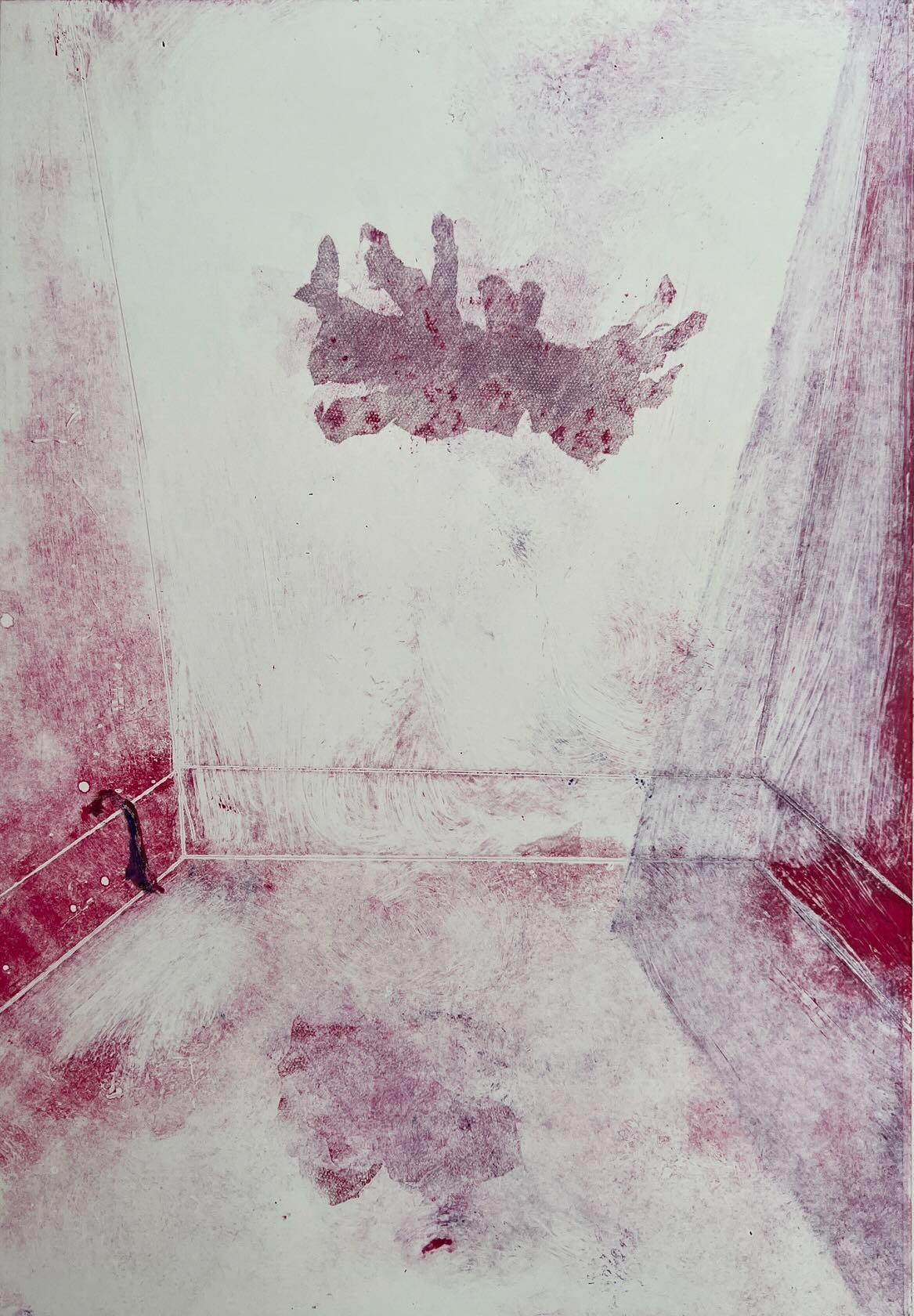
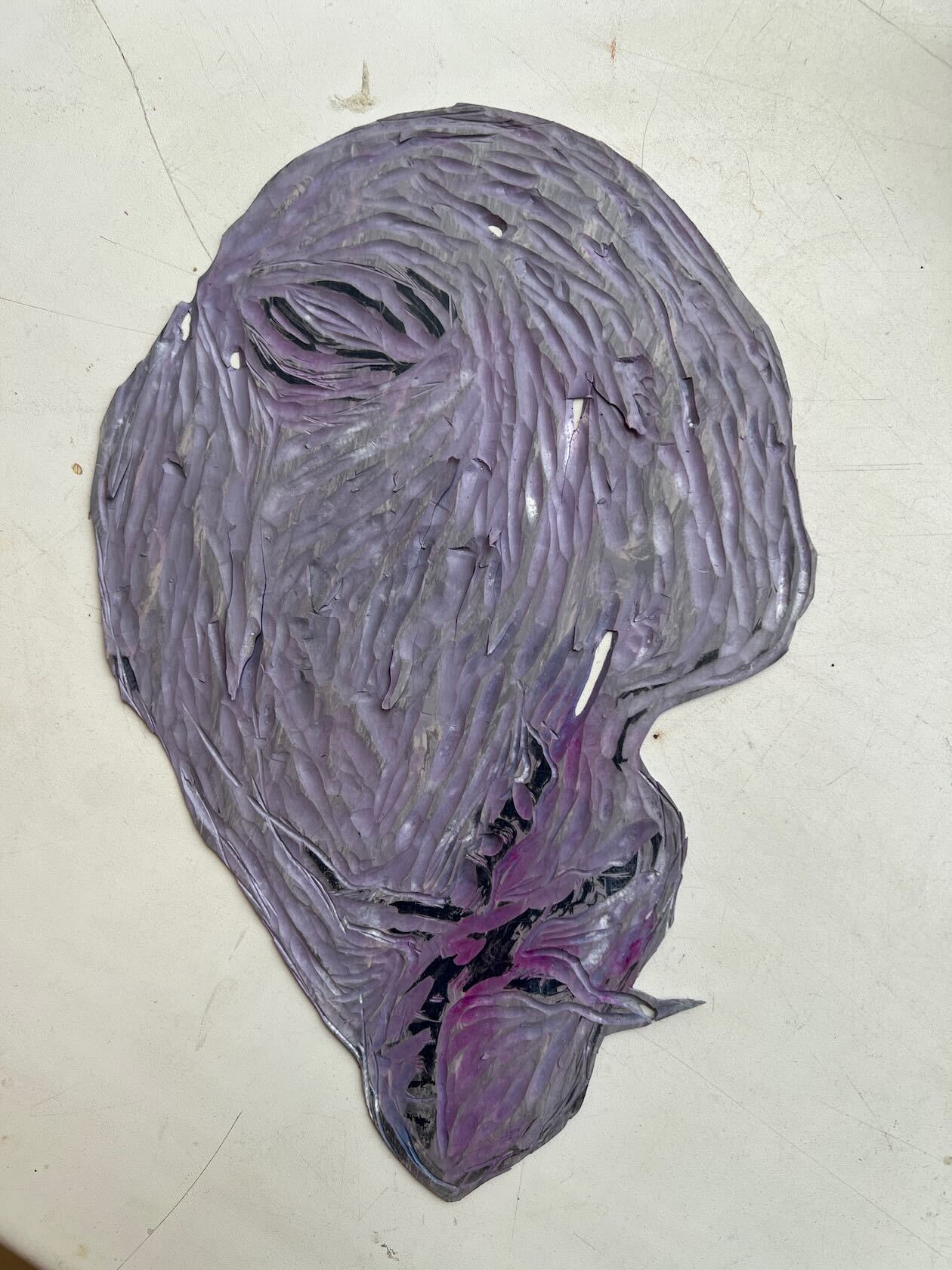
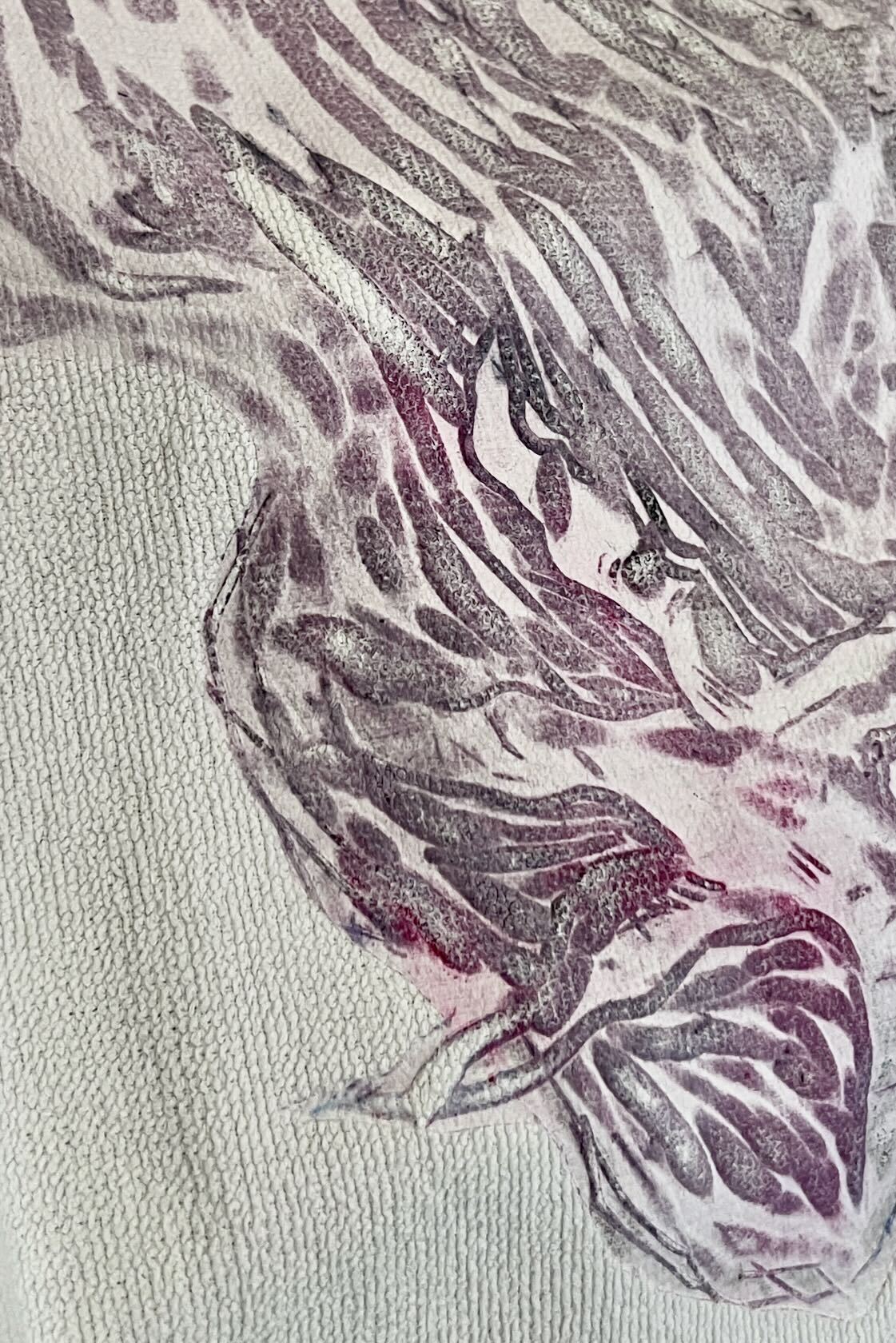
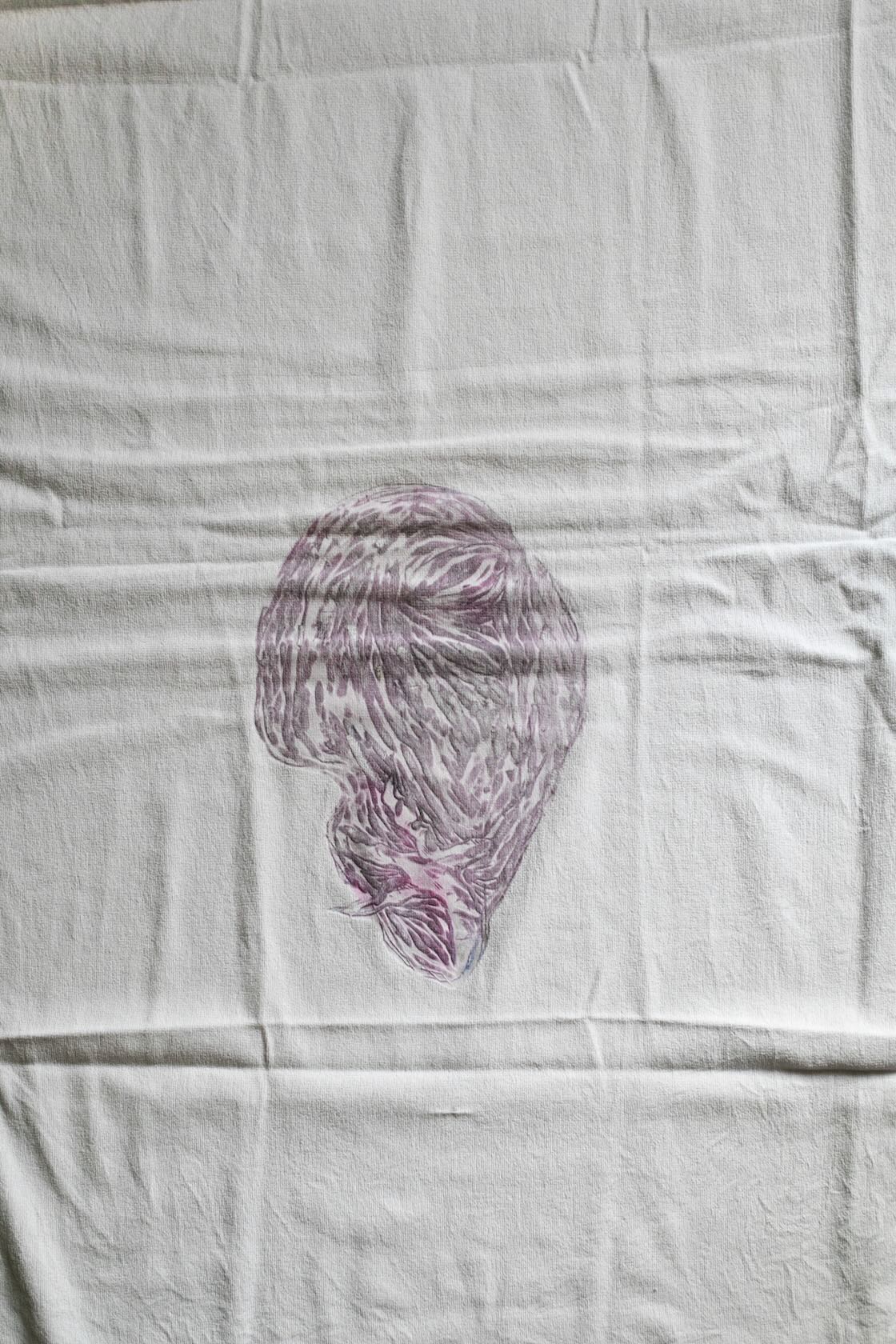
the third narrative, 26 weeks, is a series of linocuts printed on white, decommissioned hospital towels. the dimensions of each printing block correspond to the actual size of a fetus at 26–27 weeks — the moment of my confrontation with obstetric violence following the diagnosis of a fetal developmental anomaly during pregnancy.
the form references authentic archival ultrasound scans and the digital entities of tony oursler. each block is carved with a graver through sharp, barely controllable gestures.
how many interventions with a metallic tool are required to reveal (or definitively obliterate) a miracle? when does a being, flickering between normativity and catastrophe, become good enough to be accepted?
the third narrative, 26 weeks, is a series of linocuts printed on white, decommissioned hospital towels. the dimensions of each printing block correspond to the actual size of a fetus at 26–27 weeks — the moment of my confrontation with obstetric violence following the diagnosis of a fetal developmental anomaly during pregnancy.
the form references authentic archival ultrasound scans and the digital entities of tony oursler. each block is carved with a graver through sharp, barely controllable gestures.
how many interventions with a metallic tool are required to reveal (or definitively obliterate) a miracle? when does a being, flickering between normativity and catastrophe, become good enough to be accepted?
© marina tscher 2026